/// THE UNIFORM IS NOT A PERSONALITY
The Uniform Is Not a Personality
Report counters, confession farming, and roadblock economics: the reality of Malaysian cops, plus what I would steal from America.
First, the disclaimer so nobody burns my house down. Some cops are good. Professional, calm, do the paperwork, go home. This post is not about them. If you are a good cop, you already know exactly which colleagues this is about. Everyone else, pull up a chair.
Second, the scope. This post is about the criminal investigation and narcotics side: lockups, interrogation rooms, remand games, confession farming. The traffic officer writing fines is a different beast with smaller teeth. A few roadside bits appear because the same culture leaks everywhere, but fines cost money and cells cost years. The cells are the point.
The report counter treats you like a beggar
Walk into a station to file a report and watch the theater begin. The report taker looks at you like you interrupted something sacred, sighs like your robbery is an admin burden, and serves you with the warmth of a parking summon. Sometimes they refuse to take the report at all. Wrong station, come back tomorrow, not a police matter, try asking nicely somewhere else. And underneath it all runs a steady current of menace, the classic scare routine: careful what you report, careful who you accuse, are you sure you want to do this. You came as a victim and leave feeling like a suspect who has not been charged yet.
The uniform is not a personality
Something happens when the uniform goes on. Shoulders back, chin up, voice down an octave. Suddenly this is a person above the law, entitled to arrest you anytime, talking to you like someone who has everything while you have nothing. Arrogance. Pure haughtiness. I genuinely do not know where it comes from. It cannot be the salary, because the salary is public knowledge and nobody is impressed. It cannot be the training, because half of them cannot recite the SOP they are violating. The uniform is a job. It is not a rank over citizens. Somewhere that memo got lost, probably around the same station that lost my friend’s report.

SOP is optional until a lawyer appears
Here is the part I do not joke about. Too many cops do not follow SOP. They trample public rights at roadblocks and stations. Worst cases end with the accused assaulted in custody, and this is real, not talk. I do not talk shit about things I have not seen patterns of.
And here is the test that proves all of it: bring a lawyer. The moment a lawyer walks in, backs straighten, voices soften, procedures suddenly exist. Rights that were invisible five minutes ago materialize like magic. So the SOP was always there. It just had a lawyer detector on it. Justice that only works when witnessed by a professional is not justice. It is customer service with a gun.
Two tiers: convoy versus queue
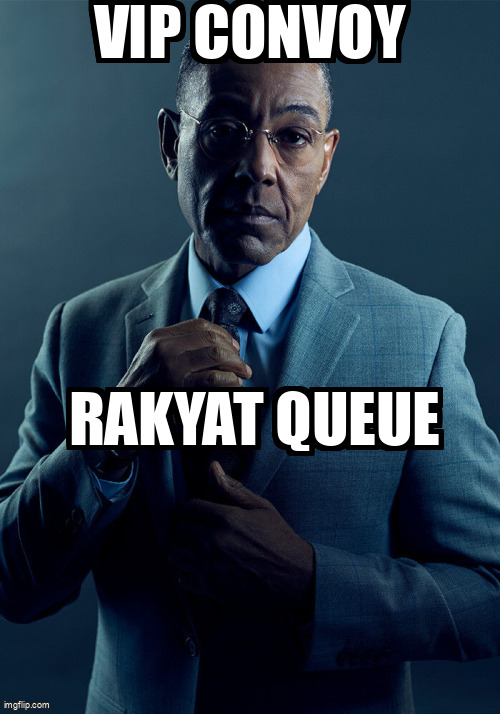
Watch a VIP move through this country. Outriders, cleared junctions, traffic parting like a miracle. Then watch yourself move through it: roadblock, window down, license out, explain your existence. Same roads, same force, two species of citizen. I am not against protecting important people. I am against the part where importance is the only thing being protected. Your report sleeps in a pile while a VIP’s fender bender gets a task force. Rank should decide protocol, not worth.
The rank theater
Inside the force, rank is religion. Address wrong, stand wrong, breathe wrong. “Sir” this, “ma’am” that, insignia counting like railway stations. Some of that is discipline and fine. But theater leaks outward: the public must perform submission just to access basic service. You stand straight for a report that will never be read. Deference flows one way, accountability flows nowhere. A service that demands worship has forgotten the service part.
Filming is not a crime
There is no law against recording police in public while they work. None. When an officer barks about Section 504 or obstruction because of a camera, that is a bluff wearing a section number. Real obstruction means physically blocking them. A phone at chest height blocks nothing but their comfort. Film calmly, film continuously, stream it somewhere they cannot delete. The camera is the only supervisor that never takes sides, which is exactly why some of them hate it.
Roadside science fair
Nothing says narcotics unit like a plastic cup at midnight. Officers threaten urine tests at stops and interpret the results on the spot, on the roadside, under a streetlight. A plastic cup is not a laboratory. Screening is not a verdict. You may demand proper testing at a station or hospital, and you should, because roadside chemistry has convicted more bladders than labs ever did. The cup screens. The lab decides. Anyone skipping step two is not doing science. They are doing leverage.
The stop-and-search checklist
Every stop follows rules the officer hopes you never read. Note the badge number first, out loud if needed. Searches of women are done by women officers. Car, body, and phone each need their own justification, and you may ask under what section each one happens. Do not consent to what they cannot compel, and do not resist what they can. The difference between those two is the whole game, and the Section list below is your rulebook. Compliant, silent, filming.
Hands off my phone
The newest abuse fits in your pocket. Officers snatch phones at stops and scroll through galleries and chats, announcing they have every right to. They do not. Checking your phone needs reasonable cause and a real investigation, not curiosity plus a uniform. You may ask why they want it. You may ask for the check to happen at the station. You may call a lawyer first. Most people know none of this, which is exactly why the scroll happens roadside instead of somewhere with cameras. A phone holds your whole life. It does not unlock on attitude.
The force is not reasonable
The law allows reasonable force to make an arrest. Reasonable ends where punishment begins, and too many lockups cannot find the line. The numbers are public and ugly: 143 deaths in police custody in the decade up to 2018. A security guard dead within an hour of arrest. A man found with twenty blunt force injuries. A detainee beaten on camera while tied with a blanket, broken rib included. Ministers announce single digits while rights groups count double, and officers found responsible generally face nothing at all. Every few years a camera catches what reports never do, because cameras do not forget and colleagues do. This is why the bodycam point below is not a gadget request. It is the only witness that cannot be transferred.
The lawyer they never let in
Ask how many lawyer-access denials happen and you get silence, because nobody counts them. That is the point. The United States State Department repeats the same line in report after report: police often deny detainees access to legal counsel and question them without a lawyer present. Year after year, same sentence. In late 2025 a lawyer raced to his client’s house during a raid and officers blocked him at the door, refused to identify themselves, and tried to take his phone for filming. A lawyer, blocked from lawyering, at the scene, on camera. Imagine what happens to people without one. The right to counsel sits in the Constitution and Section 28A. On the ground it exists if you can afford someone who shouts.
Why good cops drown too
Fairness check, because the disclaimer at the top was not decoration. One investigating officer can carry hundreds of files. Overtime is a lifestyle, equipment is whatever survived the last budget, and the public hates you on sight because of your worst colleague. Good cops exist inside a machine that rewards silence and punishes paperwork filed against friends. Fixing the system rescues them too. The good ones want bodycams. Guess who does not.
Never report cops to cops
Bad cop? The system invites you to complain to his supervisor, his colleague, his lunch buddy. Cops investigating cops is the fox guarding the henhouse, then writing a report about how secure the hens are.
Fine, use the IPCC instead. Here is what that gets you: a commission of five members and about thirty staff for the entire country, running since late 2023, with no power to prosecute anyone and no power to discipline anyone. It investigates, then recommends, and the Police Force Commission decides whether to care. Its findings bind nobody. Custody deaths do not trigger automatic public inquiries. The Bar Council held a whole forum calling it toothless and demanding the real thing, a commission with prosecution powers. Twenty years of demands, and the watchdog arrived with its teeth removed.
So report everywhere. The IPCC, a lawyer, the human rights commission, the media, your own livestream. Paper trails in five places, trust in none alone. And demand the upgrade: an oversight body that can charge, fire, and compel, staffed in the hundreds with a budget bigger than a stationery allowance. Until then the watchdog barks into a notebook.

The confession machine
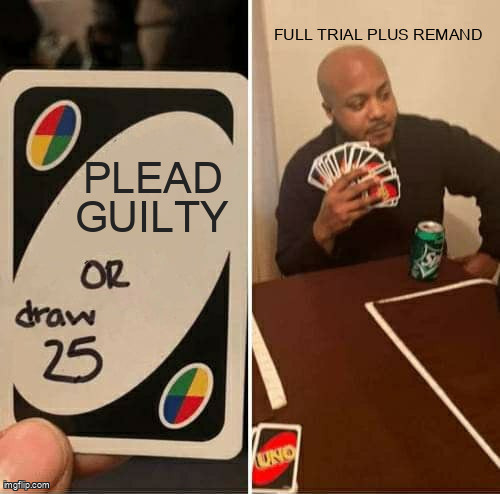
Ask any investigating officer how cases close and the answer is confession. The accused pleads guilty, stamp, next file. Something like 80 percent runs on the accused convicting themselves. An investigation system that mostly waits for self-incrimination is a confession machine with extra steps.
Follow the incentives and it gets darker. Remand softens people up. Days in a cell with no updates, then visits with two options: admit it and go home soon, or fight it and meet the full menu of delays. The rich call a lawyer in hour one. The poor learn that pleading guilty is the fastest way out, guilty or not. Poverty pleads first. That 80 percent is not a success metric. It is a poverty metric wearing a medal.
The withdrawal desk
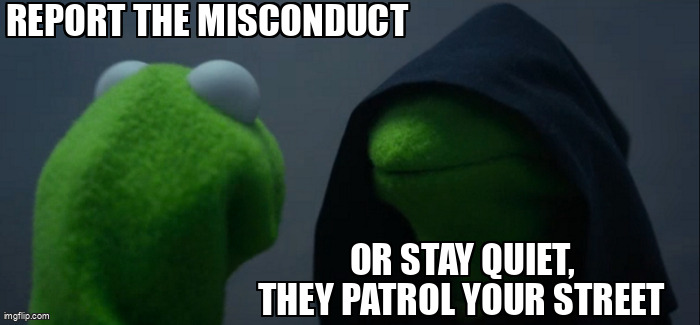
Sometimes the counter refuses your report. Other times it accepts it, then talks you out of it. Settle privately, do not ruin the boy’s future, think of his family, come back if it happens again. Pressure arrives wearing concern. Family members get visits. Community leaders get calls. And if you persist, the process itself becomes the punishment: come back Tuesday, the officer is out, the file is with someone else. Withdrawing is always your choice on paper. On the ground it is a group project.
Transferred, not punished
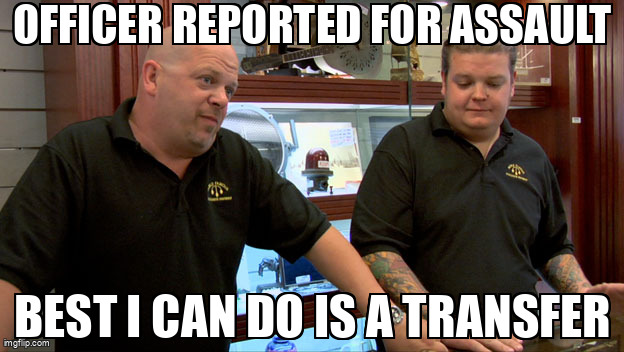
The classic ending: the officer is transferred. Announced like discipline, functioning like relocation. New district, clean slate, fresh public who never heard the story. The victim gets closure theater. The force keeps the manpower. Transfer is an admin tool wearing a punishment costume, and everyone in uniform knows the difference. Publish every disciplinary transfer with its reason, or admit the costume closet is empty.
Audits for thee, not for me
Anti-corruption officers audit everyone except the mirror. Officers on civil servant salaries drive cars worth a decade of pay and live in houses the payslip never met. Lifestyle audits exist in law and hibernate in practice. Aim them inward for one year: declare everything, explain the gap, publish the results. Honest cops lose nothing. The rest lose the car. Funny how the loudest defenders of the force go quietest at the word audit.
999 rings out
Call the emergency line and sometimes nobody picks up. Crimes in progress get hold music. Patrols arrive after the scene cools, if at all. Response times are never published, which tells you everything publishing would. The fastest police response in the country is a VIP convoy, measured in seconds. Yours is measured in never. Publish the times or admit the line is decorative.
Know your Section: the cheat sheet
Cops count on you not knowing the numbers. Here are the greatest hits, simplified. Not legal advice, I am not a lawyer, this is a flashlight, not a map.
Section 28A of the Criminal Procedure Code says an arrested person must be told why, and gets to call a lawyer and inform someone. Read that again. Told why. Lawyer. Phone call. If your arrest came with none of the three, the arrest has a paperwork problem before you even open your mouth.
Section 112 and 113 cover statements. Police record what you say, and 113 decides what a court may even look at. Anything you blurt out without caution has limits in court, which is exactly why the investigating officer wants you comfortable and chatty. Comfortable suspects confess. Tired suspects confess faster. Silent suspects with lawyers close files slowly. Be the third kind.

Section 117 is remand: the court can hold you for investigation, up to about a week in stretches. Every extension needs a magistrate’s signature, which means every extension is a moment where someone outside the station looks at your file. Remand is a tool, not a hotel. When it feels like a hotel with bars, something drifted.
Now flip the book around. Section 330 and 331 punish causing hurt to extort a confession. Section 348 punishes locking someone up to extort one. Read those numbers slowly. The law already names the exact crime of beating a confession out of a person. It sits in the same book the police carry. The pages are just read selectively.
Section 506 covers criminal intimidation, and it cuts both ways. Threatening a member of the public to bend them is the same shape of crime no matter whose mouth it comes out of. Section 504 covers insults meant to provoke, the section most often quoted at people who argue back. Funny how 504 gets remembered instantly while 28A needs reminding.
Section 23 lists when police may arrest without a warrant, mostly seizable offences caught in the act or hot on the trail. It is not a blanket license to collect citizens. And the Police Act itself, Section 3, lists their duties: keep order, protect life, prevent crime. Nowhere does it list attitude as a duty, though some officers perform it daily without pay.
Section 233 of the Communications Act is the modern muzzle: misuse network facilities and face the music. It has real uses against scammers and stalkers. It also gets waved at critics, which is why posting evidence publicly scares stations more than shouting ever could. Film first, argue later, keep a lawyer on speed dial.
The Malaysian Bar cheat sheet: your five moves
Straight from the Bar Council’s own guidance, compressed for memory. One, stopped: give name, ID number, address. Nothing else. Ask if you are under arrest, and under what charge. If not, you may walk away. Two, questioned without arrest: cooperate if you like, refuse if you do not, ask for a lawyer present, and bring a notebook. Write everything before you say it. Three, arrested: ask why and which station, then call family, a lawyer, or the Legal Aid Centre with the time, place, officer number, and station. Four, in custody: give name, age, address, occupation. Everything else is silence. Tell the magistrate about beatings, threats, denied food, denied lawyer. Five, your phone and car: searches need reasons, ask for them, record discreetly, request the station. Polite, firm, quiet. The Bar has said all of this for years. Memorize it like a phone number.
If I ran Bukit Aman for a week
One, bodycams with no off switch during duty. Camera off during an incident means the testimony goes in the bin with it. A camera you can switch off is jewelry, not oversight.
Two, lawyer from minute one plus a rights card. Malay on one side, English on the other: you may stay silent, you may call a lawyer, this arrest is being recorded. Read it out loud like the AirAsia safety demo. Nobody skips the safety demo.
Three, fix remand so it stops manufacturing confessions. Time limits with teeth, lawyer access that cannot be delayed by creativity, and judges who ask why this person is still inside. Detention is for investigation, not marination.
Four, tracking numbers that actually track. File a report, get a number, get updates without begging. Call and the investigating officer is on leave, in court, transferred, or all three. A tracking number without tracking is a lullaby for victims.
Five, kill the bribe economy. Cash fines at roadblocks with no receipt are a drive-thru with no menu. Everything payable by QR with a receipt, officers rotated so nobody owns a junction, and salaries that do not need topping up. Make honesty the convenient option and watch compliance soar.
Six, end quota season. Everyone knows month-end roadblocks multiply like mushrooms after rain. Quotas do not officially exist, which is exactly why everyone hits them. Publish the numbers or stop the game.
Seven, publish the SOP where citizens can read it and pin the rights card on every counter wall. Secret rules are not rules. They are moods.
Eight, staff the investigating desk like cases matter. Cap files per officer, publish clearance times, and fund the boring middle: clerks, systems, working printers. Most reform dies at the printer.
Nine, give the watchdog teeth or stop pretending. Prosecution power, discipline power, mandatory public inquiries for every custody death, and staff counted in the hundreds. Thirty people cannot watch a hundred thousand officers. That is not oversight. It is theater with letterhead.
Ten, spend the money on cameras, not committees. Bodycams with no off switch, lockup cameras that actually record, storage nobody can delete. Every ringgit for another launch ceremony is a ringgit against evidence. Stop buying podiums. Buy lenses.
Eleven, lab verdicts only. Roadside cups screen, laboratories decide. No charge on a cup alone, retests on demand, results in writing.
Twelve, publish response times and disciplinary transfers. Numbers citizens can read, outcomes with names attached. Sunlight is the cheapest reform on this list.
Steal from America, not America itself
To be clear, American policing as a whole is no model. But four of their mechanisms are worth stealing outright. Bodycams that departments cannot turn into decorations. Miranda rights read at every single arrest until suspects can recite them. Civilian review boards with actual firing power, not advisory suggestion boxes. And payouts that come from department budgets, so misconduct costs the department instead of taxpayers. Copy the tools. Leave the country.
The uniform is a job
A cop is a citizen with extra duties, not a citizen with extra rights. The good ones know this. They file the report, read the rights, close the file clean. Everyone else treats the uniform like a personality transplant and the public like an audience. Malaysia deserves the first kind in every station. Until then, know your rights, bring a lawyer, film everything, and report outside the chain.
“You either die a hero, or you live long enough to see yourself become the villain.”, The Dark Knight (2008). The uniform was supposed to be the hero part.