/// WHAT I LEARNED FROM THE BIG SHORT
What I Learned From the Big Short
How the 2008 subprime crash actually worked, what the film got right, and the parts it simplified.
A movie about the 2008 crash made me pause every twenty minutes to google things. It is the only film where the villain is a spreadsheet and the jump scare is a credit default swap. The crash, explained like you are five, plus the part the movie gets wrong:

The crash in one paragraph
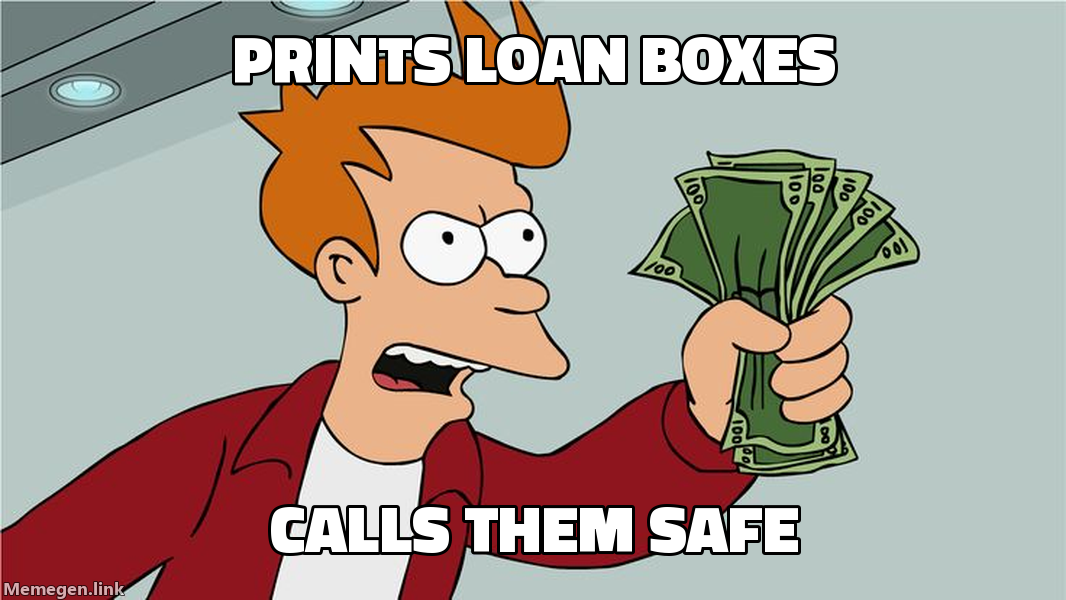
Banks gave home loans to people who could not pay. Then they packed thousands of those loans into boxes, sliced the boxes into pieces, and sold the pieces as safe investments. When homeowners stopped paying, every box turned out to be full of bad loans at once, and the banks holding the pieces nearly died in the same week. That is the whole 2008 crisis. Everything below is details.
Four things the film gets right
First, the graders were paid by the students. Rating agencies like Moody’s and S&P are supposed to stamp investments as safe or risky. But the banks selling the investments paid the agencies for the stamps. If your paycheck depends on handing out A grades, you hand out a lot of A grades. The boxes of bad loans got top marks.
Second, do not put all your eggs in one basket fails when every basket is the same eggs. The sales pitch was diversification: loans from everywhere, so one town’s problems could not sink the box. Then adjustable mortgages reset, jobs vanished, and lending standards collapsed everywhere at the same time. Every basket broke together.
Third, the math assumed the impossible was impossible. Wall Street’s models treated a nationwide housing fall like something that simply does not happen, the way you assume the Sun will rise. One famous formula treated loan failures as mostly unrelated to each other. In a panic they are extremely related. Math built on calm years cannot see the storm coming.
Fourth, running out of cash is different from being broke. Many banks still owned valuable things. But they survived day to day by borrowing cash overnight, using their investments as collateral. The moment lenders doubted the collateral, the overnight loans stopped, and a bank with plenty of assets could not pay tomorrow’s bills. Like owning a mansion but having no coins for bread.
The real engine: bets on bets
The movie rushes past this part. A normal investment box holds real home loans. A synthetic box holds bets. Banks made side bets with each other on whether loan boxes would fail, using contracts called credit default swaps. There were no houses or monthly payments behind those bets, only promises that paid out if enough loans went bad.
Worse, the same pile of bad loans got referenced by dozens of these side bets. One street’s mortgages could sit underneath a tower of bets many times bigger than the street itself. And because the loan sellers had already passed the risk into bets, they stopped caring whether borrowers could pay. The people making the loans held none of the risk. The people holding the risk never met the borrowers.
Why the movie’s hero story is off
The film sells a clean battle: a few outsiders who did the math versus greedy Wall Street. Reality is messier. Bank rules at the time let banks hold almost no spare cash against top-rated pieces, because the models said AAA meant nearly risk free.
Whole shadow markets ran without the safety nets normal banks get. The film’s heroes did not fix any of this. They placed bets that housing would fail, collected when it did, and walked away rich while millions lost homes and jobs. Sharp trading, not heroism.
The film also suggests that if more people had done the math, the crash was avoidable. But the math itself was half blind. It assumed calm markets, ignored the risk of everyone needing cash at once, and measured danger using data from good years. Pricing risk from good years is how you get blindsided by bad ones.
Calling it only greed misses the design flaw. Rules, incentives, and models all pointed the same wrong way. Movies need villains. Collapses just need bad plumbing.
Why this still matters
After 2008 the rules tightened. Banks must hold more spare cash. Risky bets moved toward central clearing houses. Stress tests became routine. The pipes got better.
But the pattern repeats with new costumes. Trillions now sit in private loans nobody can see into clearly. Crypto platforms run on extreme borrowed money with thin oversight. AI trading desks chase short term wins and can miss the big picture. New instruments, same human bug: remove the shock absorbers and the machine runs great until the day it does not.
Wrap-up
Watch The Big Short. It makes the jargon understandable and the anger justified. Just do not buy the good guys versus bad guys frame. Finance is plumbing: incentives flow through it, pressure builds where nobody looks, and when a joint bursts everybody gets wet.
Then if you really want to feel smart, read an actual 2006 loan document. Small print. Big consequences. After that, go outside. You will sleep better.